
Middle East Tours Tour Package
Everything You Need to Know About Middle East
The Middle East is a geopolitical and cultural term coined by the British in the 19th century. It was part of a bigger classification that distinguished different regions/countries to the east of Europe.
Thus, regions close to Europe, i.e., the Balkans, Ottoman Empire, and the West of India (Afghanistan, Persia, etc.,) were termed the Near East. Regions close to the Pacific Ocean that were farthest from Europe, i.e., China, Japan, Vietnam, etc., were termed the Far East. The region sandwiched between the Near East and the Far East was termed the Middle East.
The “cradle of civilization” embraces the ancient and the modern: Roman ruins and Biblical sites, trendy city nightlife and the world’s tallest tower. From the majestic pyramids of Egypt to the bustling markets of Marrakech, immerse yourself in a region brimming with rich traditions, breathtaking landscapes, and warm hospitality.
Indulge in the enchanting allure of Dubai, where towering skyscrapers meet ancient traditions in a harmonious blend. Experience the vibrant energy of Israel as you explore its historic landmarks and immerse yourself in its rich cultural heritage.
Send us a Query
Middle East Tour Packages
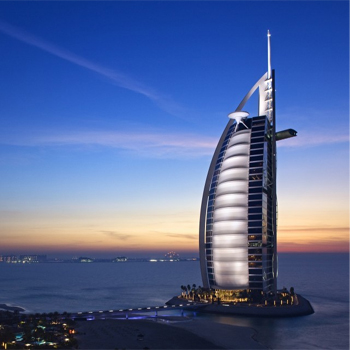
UAE Tours
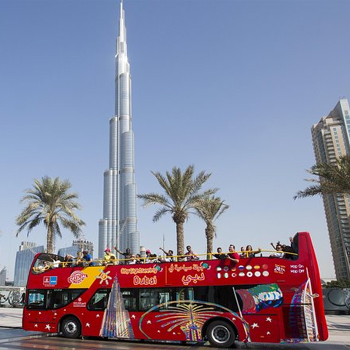
Dubai Tours
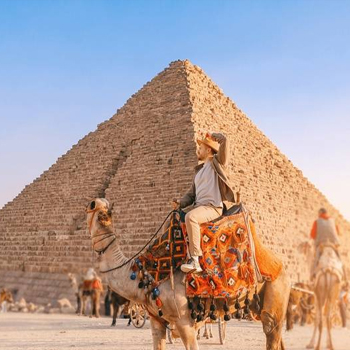
Egypt Tours
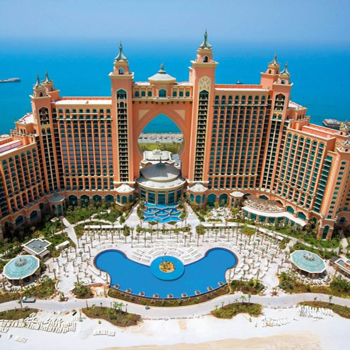
Dazzling Dubai Tours
Israel Tours
Jordan Tours
Oman Tours
Qatar Tours
Table of Content:
- What Areas Comprise The Middle East?
- Geographical Facts About The Middle East
- Cultural Facts About The Middle East
- Most Visited Countries In The Middle East
- Most Popular Cities In The Middle East
- Affordable Destinations On Our Middle East Tour Packages
- Most Visited Tourist Attractions In The Middle East
- Most Notable Festivals In The Middle East
- Common Etiquette To Remember When Visiting Middle Eastern Countries
- Shopping
- Food
What Areas Comprise The Middle East?
- Technically, the Middle East defines a region at the crossroads of Asia, Europe and Africa. Traditionally, it included lands from the Persian Gulf to Southeast Asia. Over the years, this definition has continually changed to include the states or territories of Sudan, Libya, Tunisia, Algeria, and Morocco.
- During the first decade of the 21st century, the US government introduced the term Greater Middle East to include Afghanistan, Iran, Turkey, the Caucasus, and Central Asia.
- Another popular term associated with the Middle East is MENA, which stands for Middle East and North Africa and includes Algeria, Bahrain, Egypt, Iran, Iraq, Israel, Jordan, Kuwait, Lebanon, Libya, Morocco, Oman, Palestine, Qatar, Saudi Arabia, Tunisia, Turkey, UAE, and Yemen.
- For the purpose of this content, we use the general definition of the Middle East to include 17 countries, viz.,
- Bahrain, Kuwait, Oman, Qatar, Saudi Arabia, United Arab Emirates, Yemen, Egypt, Turkey, Syria, Lebanon, Israel, Jordan, Palestine, Iraq, Iran, and Turkey.
- Here’s what you must know before choosing our Middle East tour packages.
Geographical Facts About The Middle East
- The Dead Sea, located between Israel and Jordan, is the lowest point on Earth.
- The tallest building in the world is in the Middle East – the Burj Khalifa in Dubai.
- The Middle East region is slightly smaller than the United States, covering almost 3,500,000 square miles.
- The Middle East is often called the Crossroads of the World, thanks to its location on three continents: Asia, Africa, and Europe.
- While Islam is a major religion across the Middle East, none of the countries in the region have the largest Muslim population.
- Saudi Arabia, a part of the Middle East, is one of the world’s largest countries without a river.
- Only 4.3% of land in the Middle East (and North Africa) region is farmable.
- The Middle East is home to Amman, one of the world’s oldest continuously inhabited cities.
- Jordan, a country in the Middle East, has over 100,000 archaeological sites.
- Saudi Arabia is the second largest producer of oil in the world.
- The Middle East has the second flattest country in the world, Qatar.
Cultural Facts About The Middle East
- The Middle East is home to some of the oldest civilisations in the world: the Sumerians, the Assyrians, the Babylonians, the Mesopotamians, the Akkadians, the Hittites, the Phoenicians, the Achaemenids, and the Egyptians.
- Arab is the most commonly spoken language in the Middle East. However, it has several dialects and is entirely different from one region to another.
- The three Abrahamic religions of Islam, Christianity, and Judaism originated in the Middle East.
- Some other religions that originated in the Middle East include Yezidi, Zoroastrianism, Baha’i, and Druze.
- The Middle East has close to 100 UNESCO World Heritage Sites.
- Israel, a country in the Middle East, has more museums per capita than any other country.
- Saint Nicholas, who is known to the world as Santa Claus, was born in the ancient city of Patara in Turkey.
- Göbekli Tepe in Turkey is the world’s oldest temple, believed to have been built between 9,600 and 8,200 BCE.
- The Great Pyramid of Giza in Egypt is the only surviving Wonder of the Ancient World.
Most Visited Countries In The Middle East
UAE
Popularly known as the ‘Pearl of the Gulf,’ the UAE is one of the most popular countries in the Middle East for tourism. And Dubai is the most famous city in the Middle East. It’s a shopping haven, especially the Dubai Shopping Festival, where millions of tourists shop for various products, including electronics, gold, and apparel.
The UAE is home to several modern architectural marvels, including the world’s tallest building, largest frame, fastest roller coaster, and more.
It’s also a cultural hub where tourists can learn how the local Bedouins and other Arabs have survived the desert for centuries. You can go on a desert safari, join a dhow cruise, or shop at the many souks or traditional bazaars.
Visit the mosques and museums of the UAE with GT Holidays’ UAE tour packages for a deeper insight into the country’s culture.
Qatar
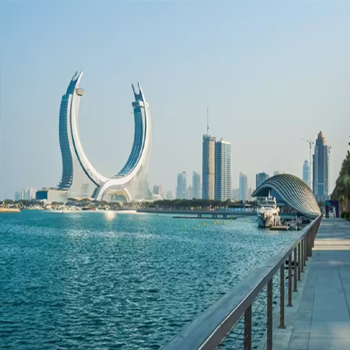
Qatar is known for its safety and hospitality, making it ideal for solo travellers and families. The country is a culinary haven, deriving influences from the cuisines of India, North Africa, Iran, and more. Qatar’s architecture is truly something to marvel at, as is evident from the Arab Museum of Modern Art, the National Museum of Qatar, and the Doha Tower.
Make sure to visit Al Zubarah Archaeological Site, Qatar’s first UNESCO World Heritage Site. Get on the Dhow Cruise at Doha Corniche with your family to enjoy some peaceful sights. From paragliding and kitesurfing to dune bashing and camel rides, our Qatar tour packages allow you to experience it all.
Egypt
Not many destinations can top Egypt as far as exploring history is concerned. Ancient Egypt is one of the world’s oldest ancient civilisations. In addition to archaeologists, travellers from around the globe visit the country to explore the Great Pyramids of Giza and the tombs and statues.
When you look at Egypt’s Western Desert, you will come across oases, date palms, olive groves, and waterfalls. These eclectic landscapes are what you can witness with our Egypt tour packages. With warm temperatures and sunny skies almost every day of the year, you can sail down the Nile River to create the most unforgettable memories.
Dubai
From its skyscrapers and world class shopping scenes to its luxurious ambience and captivating activities, Dubai offers splendid reasons for tourists to flock to its lands. There are numerous attractions in Dubai that you can visit with GT Holidays’ Middle East tour packages. Shop your heart out at Dubai Mall, the second largest mall in the world by total land area, which features all sorts of luxury brands. Catch an exciting water, light, and music show at the Dubai Fountain, renowned for being the tallest performing fountain in the world. Take your kids to the Dubai Aquarium and Underwater Zoo, one of the world’s largest suspended aquariums, home to many aquatic animals.
Istanbul
History buffs, in particular, will thoroughly enjoy exploring Istanbul. The remnants of all the previous empires that once called the city home are evident through structures such as the Hagia Sophia, Blue Mosque, and Dolmabahce Palace. Shop for spices, dried nuts, and Turkish delights at the Spice Bazaar. Get your hands on traditional Turkish souvenirs at the Grand Bazaar, including lanterns, Turkish tea, ceramics, rugs, scarves, and jewellery. Let your tastebuds delight in the glory of delicious Turkish foods, such as baklava, kebabs, and mezze platters. Make sure to visit the several UNESCO World Heritage Sites in Istanbul, including the Topkapi Palace, Basilica Cistern, and the ancient city of Ephesus.
Abu Dhabi
Abu Dhabi is the capital of the United Arab Emirates. This is probably one of the reasons why Emirati hospitality shines bright in every aspect of the city’s culture. Uncover the history and rich heritage of Abu Dhabi through places such as the Sheikh Zayed Grand Mosque, Al Jahili Fort, Heritage Village, and Qasr Al Watan. Since the city receives bright sunshine all year round, it’s the ideal destination for outdoor adventures such as camel riding, dune bashing, desert safaris, and sandboarding. Are you a thrill seeker? If so, the Ferrari World Abu Dhabi is where you should head for the most adventurous rides and rollercoasters.
Cairo
Cairo, the capital city of Egypt, is divided into three parts for tourists to explore. Downtown Cairo is the urban and commercial centre of the city, which has squares, cafes, and museums. In Islamic Cairo, you will find mosques, bazaars, tombs, and impressive Islamic monuments. Lastly, there is Coptic Cairo, the oldest section of Cairo known for its churches and monasteries. Cairo is also called the city of a thousand minarets due to its abundance of mosques and Islamic architecture. Don’t forget to visit the iconic market of Khan el-Khalili, where you can buy lamps, lanterns, jewellery, spices, ceramic items, and carpets.
Tel Aviv
Tel Aviv is the second largest city in Israel. The city is known to have some of the most stunning beaches in the world, such as Frishman Beach, Banana Beach, Gordon Beach, Hilton Beach, and Bograshov Beach. Having a meal in Tel Aviv is a memorable culinary experience. Remember to try iconic dishes like falafel, hummus, shakshuka, and schnitzel. At Jaffa, an ancient port city in Tel Aviv, you can visit spots such as Jaffa Port, Ilana Goor Museum, St. Peter’s Church, and the Jaffa Flea Market.
Doha
Doha is the financial centre of Qatar and also its capital city. Walking around Doha, you will see its famous sculptures, such as Gandhi’s Three Monkeys by Subodh Gupta, East-West/West-East by Richard Serra, Lamp Bear, and Pearl Island. We can arrange dune bashing tours for you in Doha using our Middle East tour packages. Art lovers can visit the Museum of Islamic Art in Doha, which has Islamic art dating back to 1,400 years, including textiles, jewellery, ceramics, and coins.
Riyadh
Riyadh is the capital and largest city in Saudi Arabia. The city is home to museums, ancient architecture, and souks of Riyadh that add a traditional touch. It also has modern elements such as malls, high rise buildings, and museums. While Riyadh was once a walled city, it is now one of the world’s wealthiest cities. When travelling to Riyadh, you can also visit the Edge of the World, which is about 100 km from the city.
The culinary experience in Riyadh is one you will never forget, right from its traditional Arab dishes to the fine dining restaurants the city is home to.
Beirut
Beirut is the capital city of Lebanon. After surviving numerous conflicts and natural disasters, Beirut has been named ‘the city that never dies’. The mix of the old and the new in Beirut almost imparts a picture of organised chaos, owing to the mosques and vibrant nightlife that exist alongside the buildings scarred by bullets. Despite the chaotic past of Lebanon, the people of Beirut remain cheerful, and their hospitality will surely win your hearts. In Beirut, you must try regional delicacies such as fattoush, tabbouleh, hummus, kibbeh, shawarma, and manakeesh.
Muscat
Muscat is the capital of Oman and its largest city. The Sultan Qaboos Grand Mosque, the largest mosque in Oman, can accommodate up to 20,000 worshippers. Walk around Mutrah Souq, which is popular for being one of the oldest markets in the Arab world. You can buy fragrances, spices, clothing, jewellery, and souvenirs here. Unearth the culture and history of Oman through museums such as Bait Al Zubair, the Natural History Museum of Oman, and the Sultan’s Armed Forces Museum. Witnessing historical places like the Al Jalali Fort and the Al Mirani Fort is like travelling back in time and being privy to the city’s past.
Amman
Amman is the capital of Jordan and the country’s cultural, political, and economic hub. Although it is now spread over 19 hills, the city was built on seven hills. Amman is divided into Downtown Amman and Greater Amman. The popular tourist attractions in Downtown Amman are the Roman Theatre, Amman Citadel, Souk Jara, Temple of Hercules, King Hussein Mosque, and Jordan Archaeological Museum. The commercial heart of Amman welcomes tourists with cafes, museums, art galleries, restaurants, and more. The city has diverse cultures, so you will also find Syrians, Armenians, Palestinians, Iraqis, and Jordanians in Amman.
